Fast, thorough rodent control for homes and businesses across the Triangle. We inspect, trap, and bait where mice and rats are active.
Same-day service available. New customers get $60 off the first service plus a free mosquito service, a $150 value. Plans from $49/mo, no contracts.
Get started for less and see the difference a local, salaried team makes. This is for new Holly Springs, Fuquay-Varina, and Lillington customers.
Starting price is contingent on a site evaluation and your home or property square footage. We confirm your exact rate at your free inspection, no surprises.
“Erin is amazing. Great person to help me with my bug issues. On top of the great service, Erin goes above and beyond to address all issues I had. Thank you”
“Ryan was great. Very informative. Gave me options and recommendations without pressuring me or being pushy.”
“Ryan was awesome! Clear, prompt, and efficient. Highly recommend!”
“On time, very thorough and personable! Thank you!!!”

Rodents are small mammals with constantly growing front teeth that force them to chew and gnaw on anything available, including your home’s wiring, plumbing, insulation, and structural framing. In the Holly Springs and Wake County area, mice and rats are the most common rodent invaders. Holly Springs Pest Control provides professional rodent control for homes and businesses throughout Holly Springs, Fuquay-Varina, Lillington, Cary, Morrisville, and Garner.
House mice and rats are the rodents most likely to move into Holly Springs homes. Mice breed quickly, so a small problem can become a serious infestation if it is left untreated.
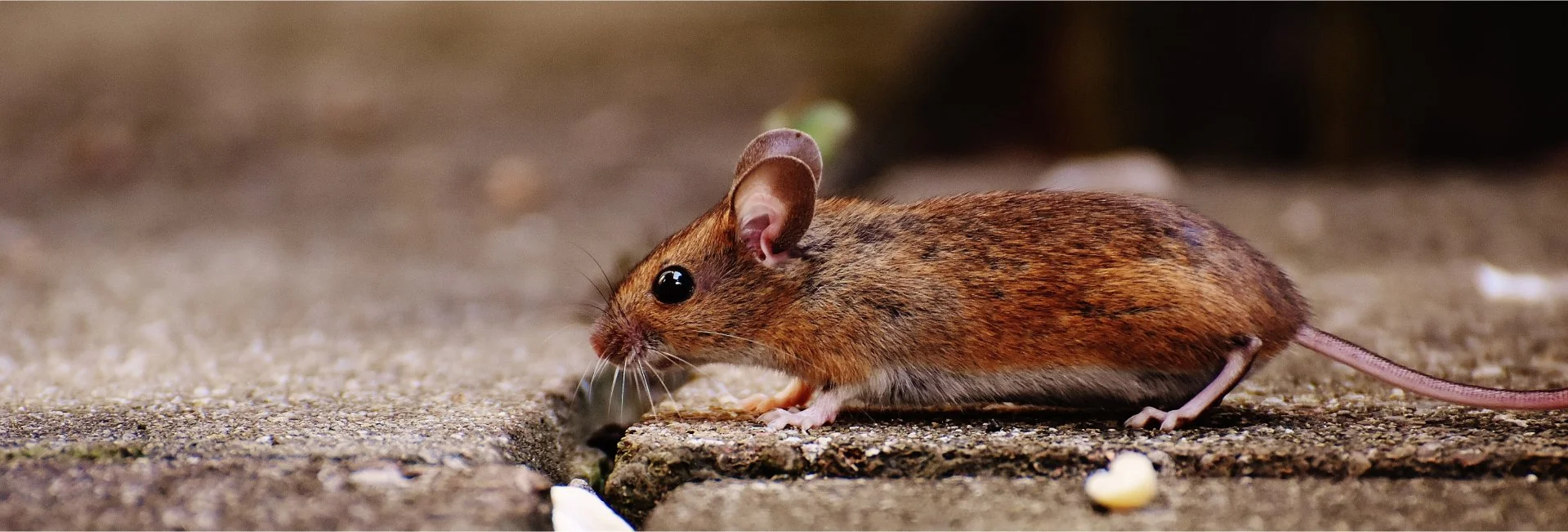
House mice are the most common rodent found inside Holly Springs homes. They measure 2 to 4 inches long (not counting the tail), with brown or gray fur and cream-colored underbellies. House mice have pointed noses, large ears, and can squeeze through a hole the width of a pencil, about 1/4 inch. Once they mature, house mice can breed year-round, and a female can have 5 to 10 litters a year. They nest in wall voids, attic insulation, behind appliances, and inside storage boxes, leaving behind droppings, urine trails, and gnaw marks throughout your home.
Norway rats are larger and bulkier than roof rats, with small eyes and ears and a shorter tail. They are found mainly around people, in city buildings and on farms, and they spend much of their time at ground level and below, often nesting in burrows. Roof rats are slender, with a long snout, large eyes and ears, and a tail that is often longer than the body. They prefer to travel up high, on roofs and in the upper levels of buildings, but in North Carolina roof rats are uncommon to rare and localized where they occur. Rat droppings are about 1/2 to 3/4 inch long and dark when fresh.
Rodents are dangerous for two reasons: health risks and property damage. They carry and transmit diseases including salmonella, hantavirus, leptospirosis, and lymphocytic choriomeningitis.
The property damage is equally serious. Rodents must constantly chew to keep their growing teeth filed down, and they do not discriminate between food and your home’s infrastructure. Mice and rats gnaw through electrical wiring (creating fire hazards), PVC and copper plumbing (causing leaks), insulation, drywall, and wooden structural members.
Rodents invade Holly Springs homes year-round, but activity spikes in late fall and winter when temperatures drop and outdoor food sources dry up. Mice can fit through a hole the width of a pencil, about 1/4 inch, and adult rats need a gap of only about 1/2 inch. If they cannot find an existing gap, they chew at smaller openings until they fit. Common entry points include gaps around plumbing pipes, dryer vents, garage door seals, roof soffits, and foundation cracks. Once inside, easy access to food (pet food, pantry items, garbage) and warmth keeps them there. Holly Springs homes near wooded areas, construction sites, or with overgrown landscaping are at higher risk.
Mice and rats prefer dark, undisturbed spaces close to food and water. The most common nesting spots in Holly Springs homes are attic insulation, wall voids, behind kitchen appliances, inside cabinet toe kicks, beneath bathroom vanities, and in garage storage areas. You may hear scratching or scurrying sounds in walls or ceilings at night, find small dark droppings in cabinets or along baseboards, or notice gnaw marks on food packaging, wiring, or wood trim. A musty ammonia-like smell from accumulated urine is another reliable indicator of an active infestation.
DIY traps and poison baits from the hardware store catch a few mice, but they rarely solve the underlying problem. Rodents breed faster than most homeowners can trap them.
Holly Springs Pest Control takes a three-step approach to rodent problems. First, our technicians inspect your home to identify active entry points, nesting sites, and the extent of the infestation. Second, we set professional-grade traps and bait stations in strategic locations to eliminate the existing population. Third, we return on a follow-up visit to check the traps and bait stations, confirm the activity has stopped, and re-treat at no extra cost if needed.
New customers who start a quarterly plan get $60 off their first service plus a free inspection and a free mosquito treatment ($150 value). Plans start from $49/mo with no contracts, billed monthly and serviced quarterly, and every visit is backed by our No-Hassle Callback Guarantee. Call (919) 446-3326 or request your inspection online.
Professional treatment eliminates the current infestation, but these practical steps help keep rodents out between service visits.
Indoor Prevention
Outdoor Prevention
If pests come back between your scheduled service visits, so do we, free. No arguing, no fine print. Our salaried technicians respond quickly, treat thoroughly, and stand behind every visit.
Stop the scratching in your walls and the droppings in your kitchen. Holly Springs Pest Control provides fast, effective rodent control for homes and businesses throughout Holly Springs, Fuquay-Varina, Lillington, Cary, Morrisville, and Garner. Tell us what you are seeing and we will get you a free inspection and exact quote.
Holly Springs Pest Control serves homeowners across Wake and Harnett County with same-week rodent control.
Rodents are rarely the only pest threatening your home. Protect your Holly Springs property from every angle:
Ready to get started? Start a quarterly plan from $49/mo with no contracts, and new customers get $60 off their first service plus a free mosquito treatment ($150 value) and a free inspection. Call (919) 446-3326 or request your estimate.
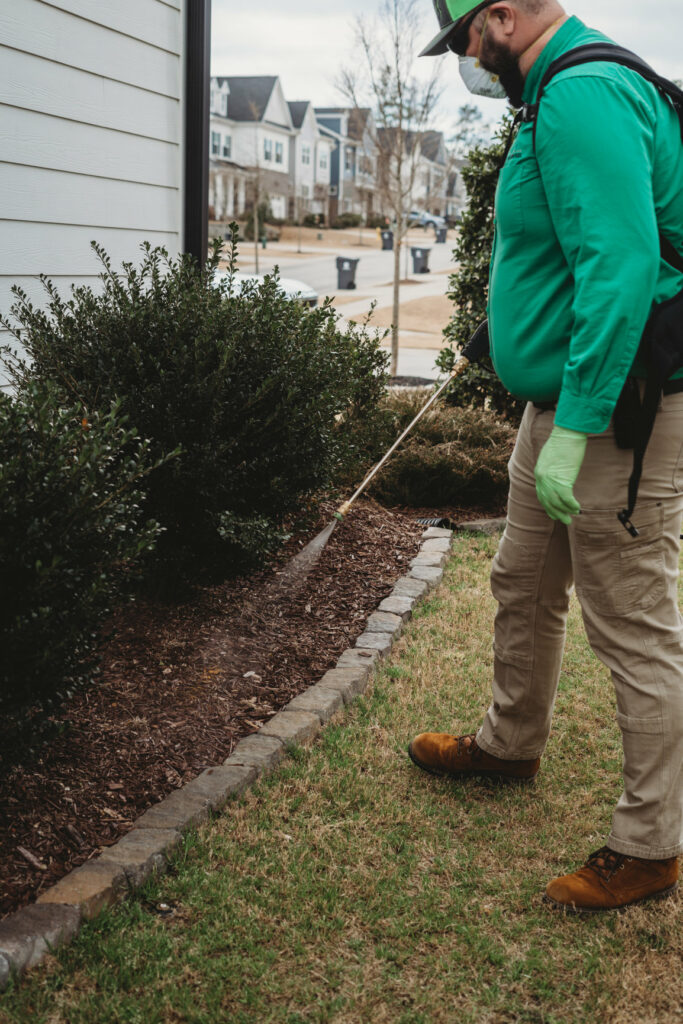
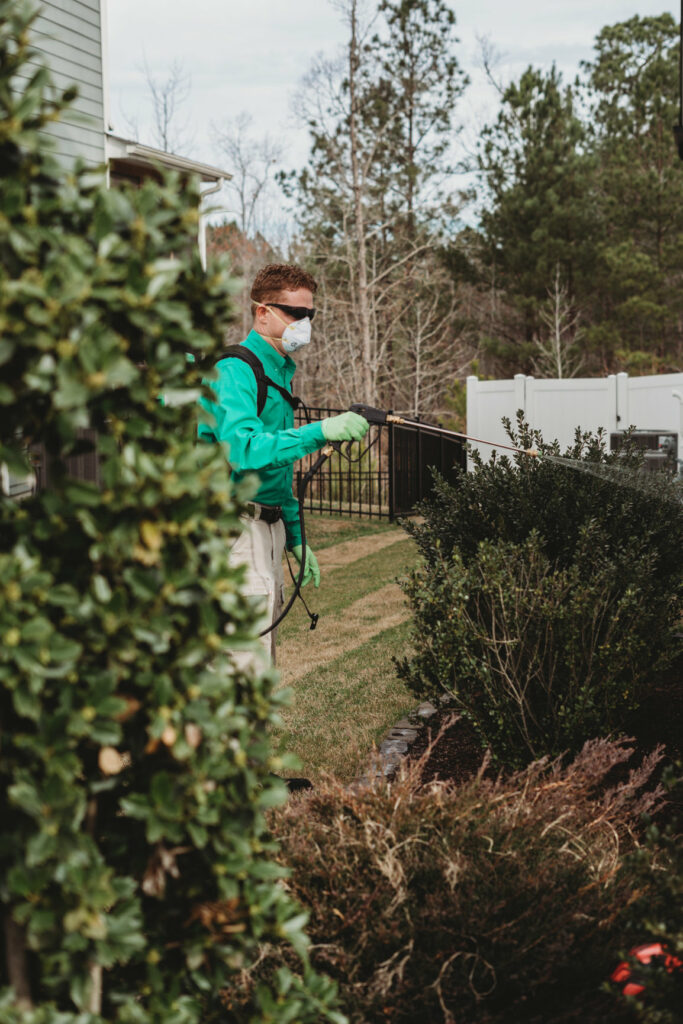
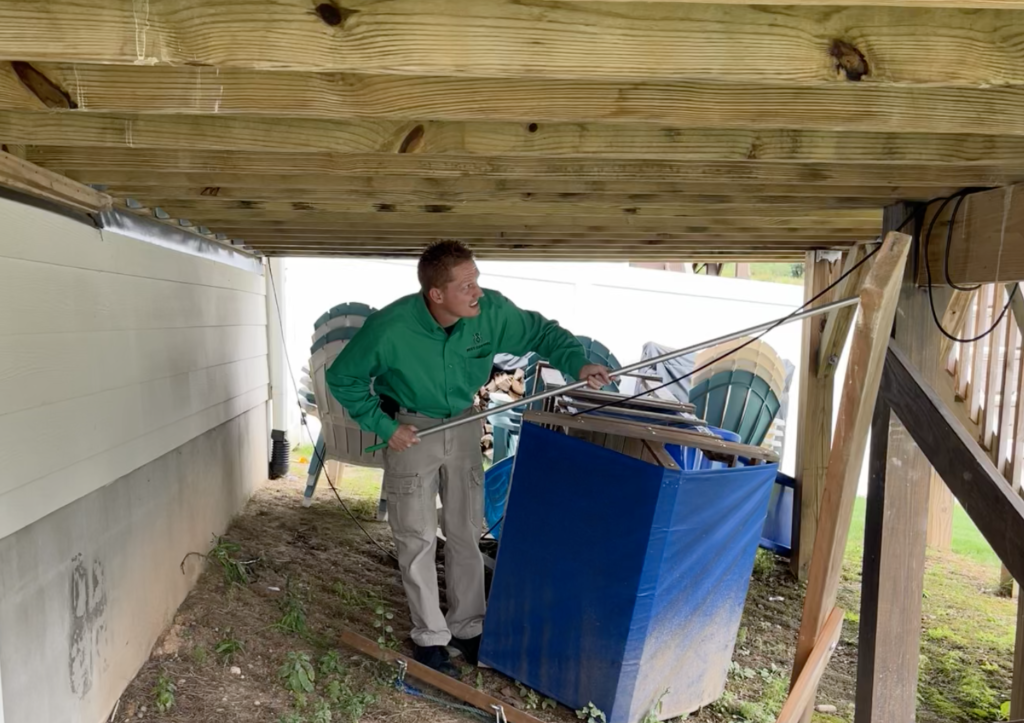
Real Holly Springs Pest Control technicians on the job across the Triangle.